
Episode 1 is out. And I’m not going to lie — putting this one together was emotional.
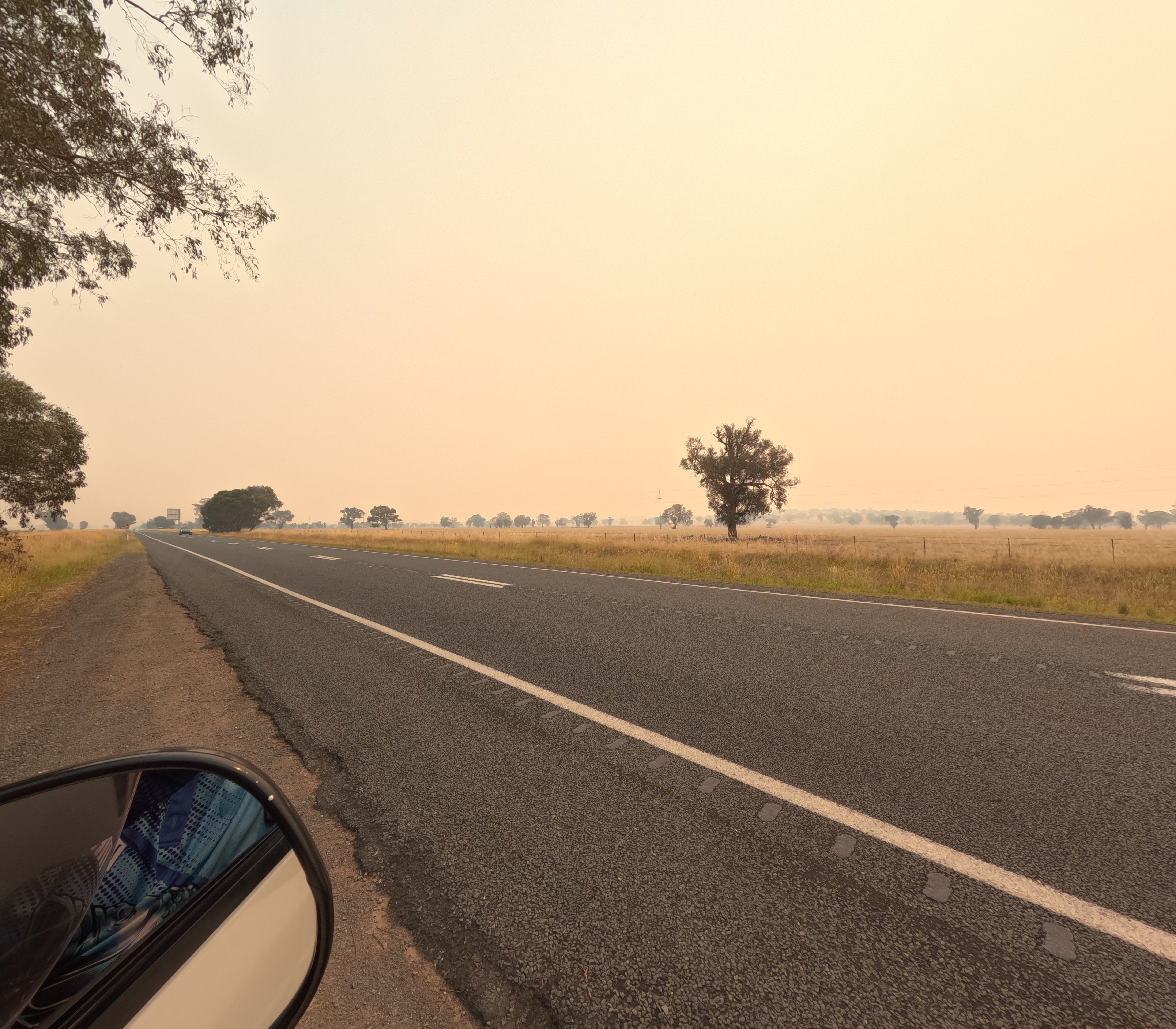
I’d been driving south from Queensland to meet up with my friend Cassandra when I kept hearing about this great big homeless camp. Wagga Wagga, shopkeepers would tell me. Random travelling people would tell me. I was hearing this for hundreds and hundreds of kilometres before I even got to the area. So of course I had to go and investigate for myself.
What I found at Wilks Park was confronting. As I drove along the road, one side was all caravans and motorhomes. But as I drove into the park — through a million potholes — I saw a tent city stretched along in a ditch, hidden amongst the trees. All these people, together, in one big dry dustbowl. Even I was shocked. And the first words I thought to myself were "holy shit." This was worse than anything I’d seen on the Gold Coast, the outskirts of Brisbane, or that camp at Nambour.
After a few days I could tell who the permanents were and who were the holiday makers just passing through. But most of them in this park were homeless. So because I’m not that shy and because I like a chat, I just threw myself into talking to anyone who would talk to me. I really thought I was going to encounter outrage and abuse. But seriously — I met many amazing people and I made some new friends, especially with the women living in the tents.
There was Shar, originally from New Zealand, camping with her aunty. Shar had this incredible ability to size up the dynamics of the whole park. She’d only been there three and a half weeks but she could tell you exactly what was going on — who was doing what, who was smart, who was dangerous. She talked about a young bloke called Cody Malcolm who’d gone missing from the park. Nobody knew where he’d gone. The police weren’t doing anything about it. That one shook me.
Despite the chaos around her, Shar still had a heart for the people in the camp. She’d written up a CV for one of the other girls just to show her what her skills could look like on paper. "She can calculate how much is in a bag and share it between eight people," Shar told me. "That is smart. Imagine if she put those smarts into a bank account." I reckon Shar was right — advocacy and education would go a long way for these people.
Then there was Rena, sweet little Rena, who I felt was very vulnerable. She’d been homeless about two years. She told me she wasn’t homeless before coming to Wagga — circumstances led her there. She’s on a pension, trying to get housing, but the rental properties these days are just out of reach. She hasn’t seen her five-year-old daughter in two years. When I asked her what the hardest thing about being homeless was, she said straight away: "Not having my daughter." That broke my heart.
And Donna — oh, Donna. That woman has a sense of humour that could fill a room. Quick wit is a form of intelligence and she was definitely no fool. She’d been at Wilks Park for over twelve months and planned to stay another twelve until her son got out of jail. She told me she’d started drinking again, into a heavy, harmful range. Personally, I wondered if she’d be OK by the time her son got out.
But behind the laughter, things were genuinely frightening. Donna told me about strangers coming into her camp at night — taking things, peeping on her, even videoing her. She put flour all around her tent to track the footprints and followed them back to check shoes. She sat a drum upside down at her window and watched. When one of the boys put an AVO against her claiming she’d hit him, she said he was the same one who’d stolen her money — twenty-two fortnights in a row, her whole pay, stolen from inside her tent. And yet she was still looking after the young kids in the camp, still mothering them, still making sure they knew where the food was.
I watched the dynamics unfold over the days I was there. I saw their personalities shine through, their sense of humour, and I learnt who was the top dog amongst them all. As a nurse over the years, I’ve learnt to never try and take sides — just to listen and to accept people where they’re at. I’m not here to judge anyone but I’m no fool. I can see what’s going on. I just like to listen.
Then I left that area and found myself in another free camp along a riverbank, not far from Wilks Park. And I quickly noticed this place was full of mostly homeless retirees. It presented so differently — no rubbish, no hoarding, no overt drug behaviours, no mess. Everyone kept quiet and kept to themselves. One toilet for the whole lot. No shower, no camp kitchen, no nothing. And a lot of these retirees didn’t even view themselves as being homeless.
That’s where I met Chris. One of the most beautiful souls I’ve ever met. He showed me the inside of his van like it was a display home — everything decorated and placed with care. He’d painted all the cupboards in camo. He had a plant sitting by the front door called Robert, named after his deceased best mate. His mate had seen the plant and said it was the best one Chris had ever bought for the van. After he passed, Chris called it Robert. "Not that I need a plant to remind me," he said. "But it’s like a term of endearment to his memory."
When I asked Chris if he was on the housing waiting list, he said he’d never put his name down. He said there are single mums and women fleeing domestic violence who need those houses more than him. "I’m a bloke on my own. I can survive and get by doing what I’m doing. I don’t want to take a house that could go to someone much more deserving and much more needy than me." He’d had a heart attack in 2012. He was still on heart medication. But he wouldn’t put himself first. That’s Chris.
I also met Sam there — a young bloke who sleeps in a swag but gets up and goes to work every single day. Think about that.
And I met Reece from the Murrumbidgee Men’s Group, one of the charities that goes into Wilks Park to offer food and resources. He’d had his own suicide attempt in 2018 and came out the other side. He told me hearing the stories at Wilks Park was devastating and humbling because "this could happen to anyone — we’re only a couple of bad decisions or life events away." He said what people can do is show small acts of kindness, show no judgement, and remember that the drug and alcohol use is just a coping mechanism — you need to get to the core of what’s actually going on for these people.
My time in Wagga Wagga was really eye-opening. I saw firsthand there’s a really big housing issue in this regional area, as there is in many other regional areas across Australia. Homelessness is growing. People are living homeless for a variety of reasons. And what I saw were people struggling on as best they could — all vulnerable, all with their own internal turmoil going on. I couldn’t help but wonder: where will they all be in the future?
They didn’t need to talk to me. They didn’t need to open up their hearts and tell their stories so you can listen to them. But they did.
God bless them all in Wagga Wagga. I sincerely hope things turn out good for each and every one of you.
Listen on Spotify: https://open.spotify.com/episode/4VgIEzKhcGUtDTJELMWJ4m Watch on YouTube: https://youtu.be/AdpCIRTPsgU
If you or someone you know needs support: Lifeline: 13 11 14 Link2Home: 1800 152 152